Diesel generation burns profit
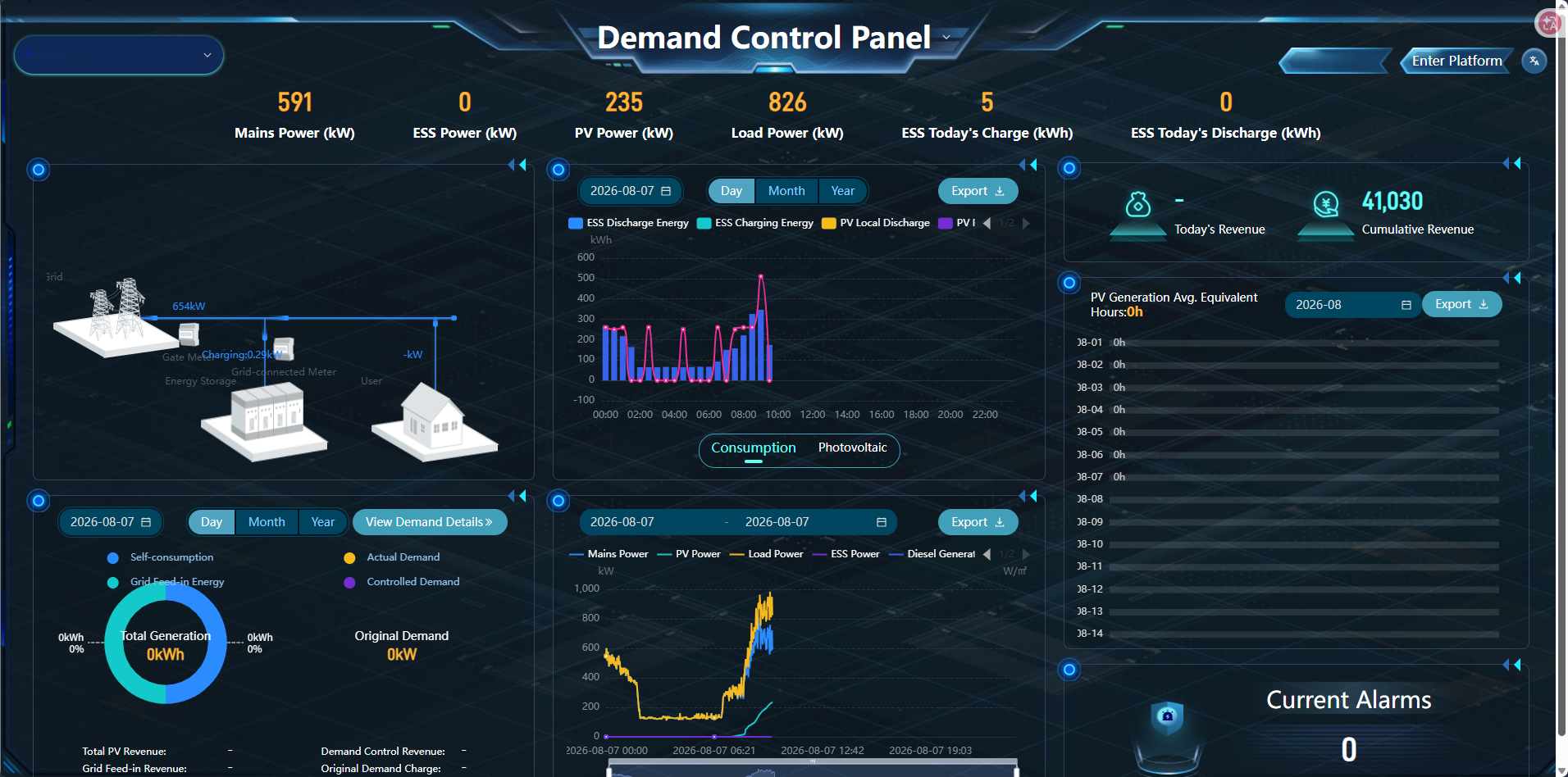
Fuel, transport, and maintenance costs devour margins year-round. In remote areas, fuel delivery itself is a challenge.
The grid may fail,but production cannot stop.
Fuel, transport, and maintenance costs devour margins year-round. In remote areas, fuel delivery itself is a challenge.
Diesel takes 10-30 seconds to reach stable output. That blind window is unacceptable for precision equipment, communications, and cold storage.
Many mechanical parts, regular oil, filter, and belt changes. In remote areas, parts are slow and repairs are hard; a failure means shutdown.
Cheap to buy, costly to run. Fuel, transport, and maintenance accumulate and devour project profit, plus a 10-30 second supply gap.
UPS covers the blind window, but diesel still burns fuel and now there is another battery set to maintain. Costs rise, not fall.
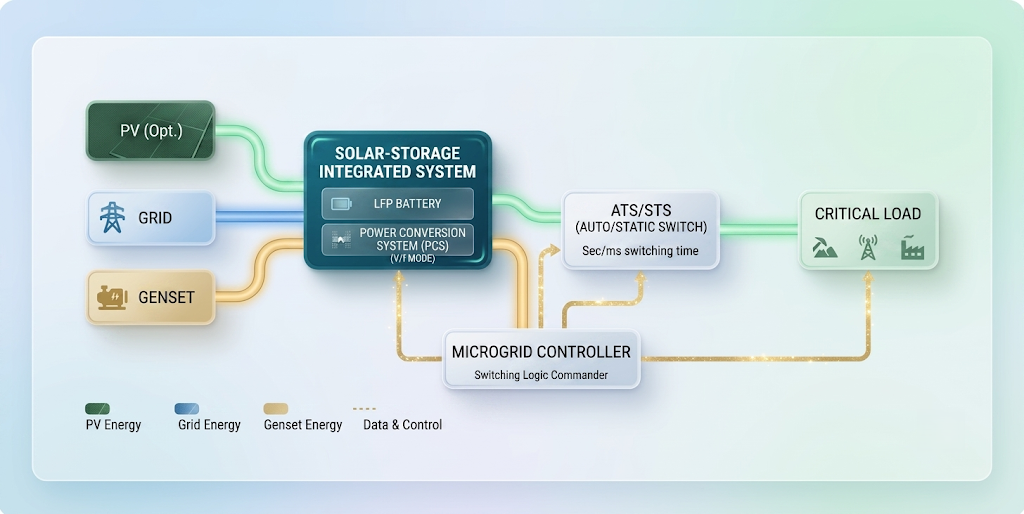
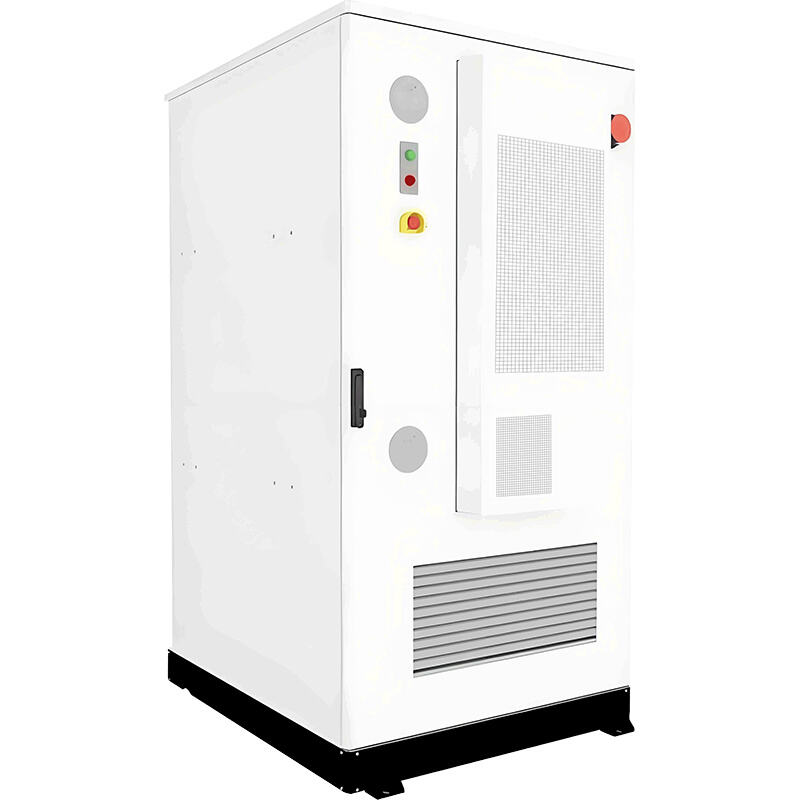
Storage supplies daily power, charging from grid or solar. No moving parts, far lower failure rate than rotating machinery.
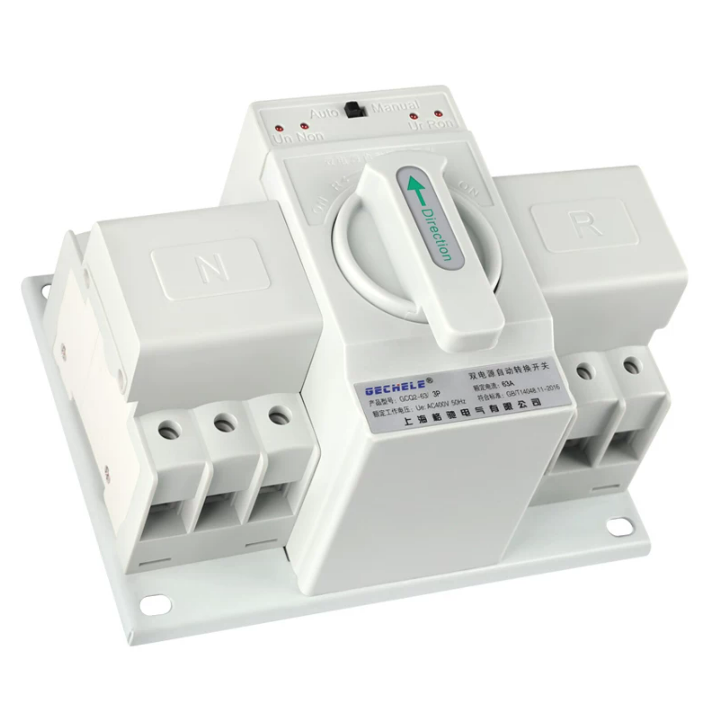
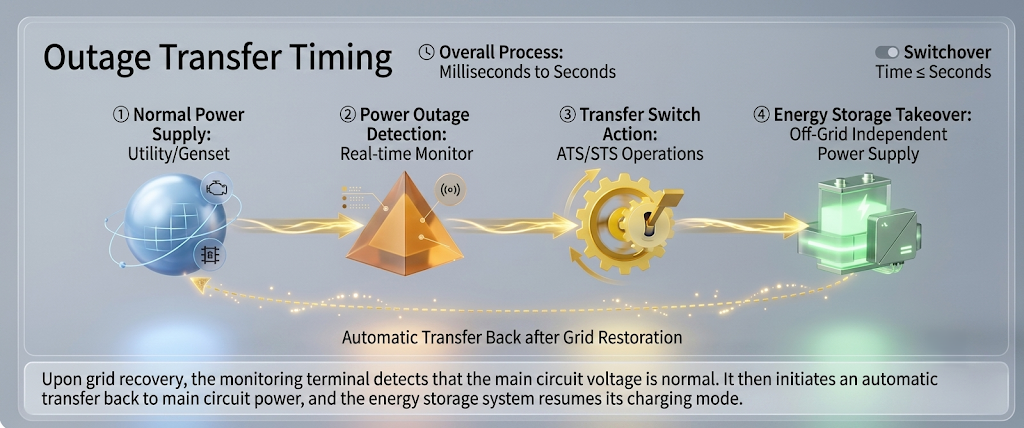
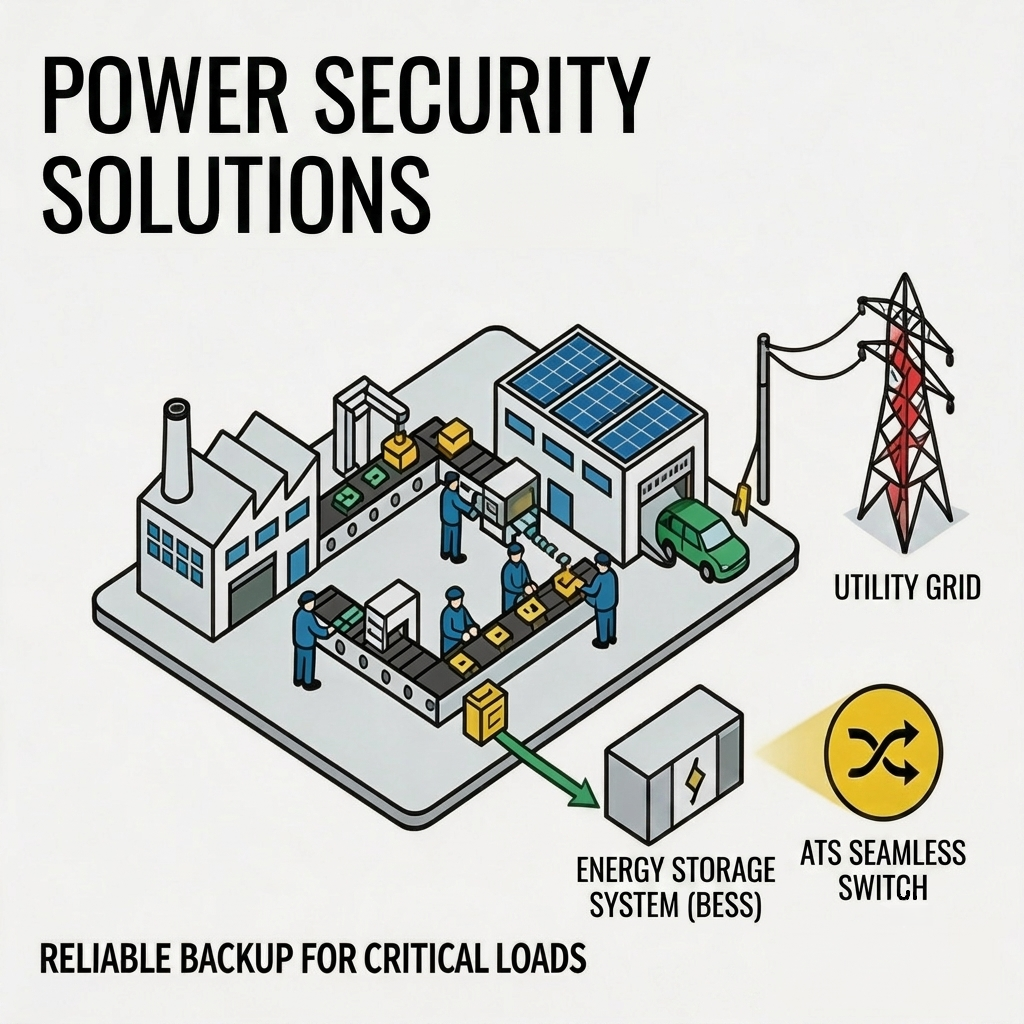
ATS switches in seconds, STS in milliseconds. Storage takes over instantly on outage, almost imperceptible to the load.
Diesel starts only when storage is low during prolonged cloudy weather. Annual runtime drops from thousands of hours to dozens.
Quietly charges in normal times, steps in instantly on outage. Backup scenarios stress reliability and response speed.
The actuator of on/off-grid switching. Choose by the load's tolerance to transfer time.
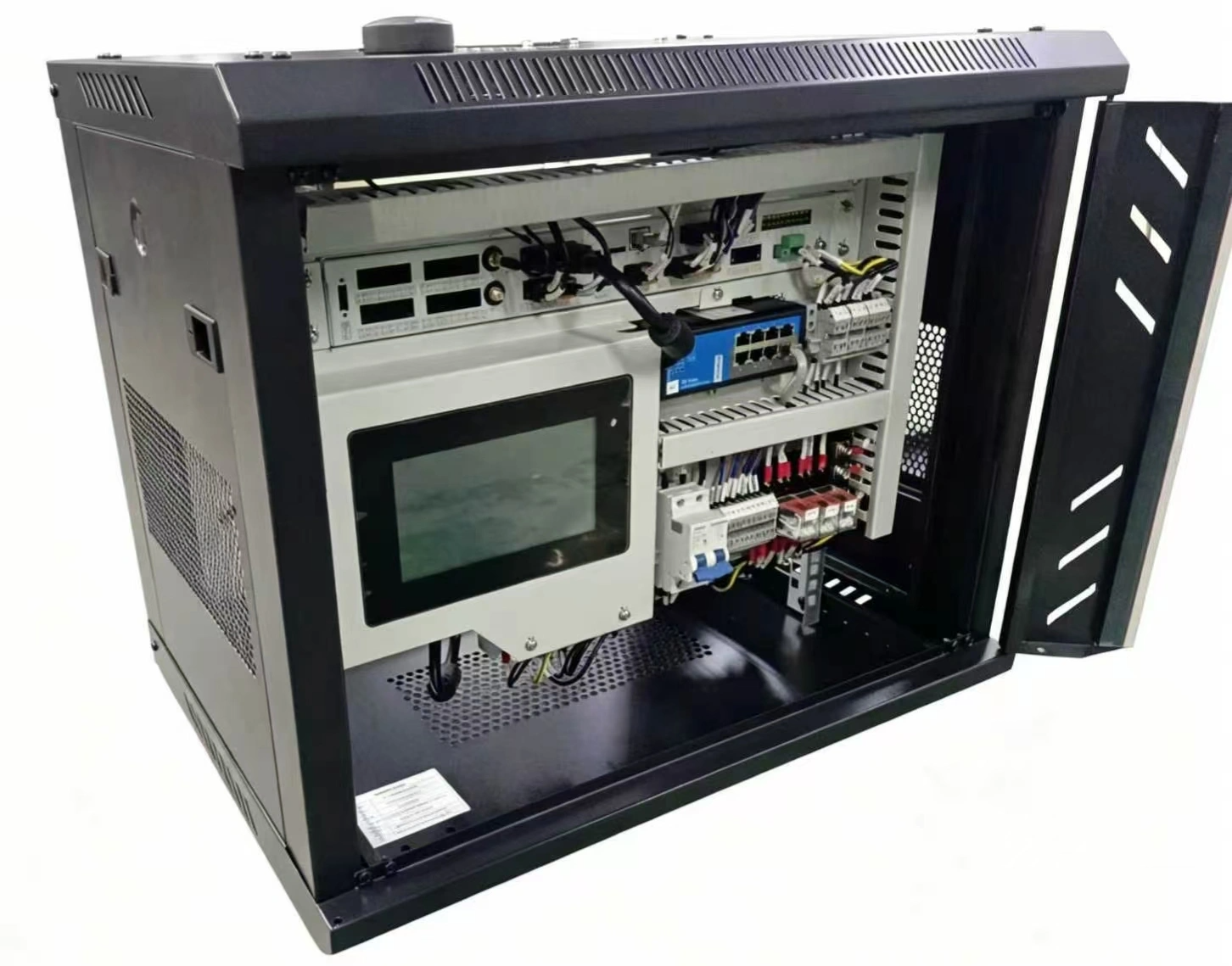
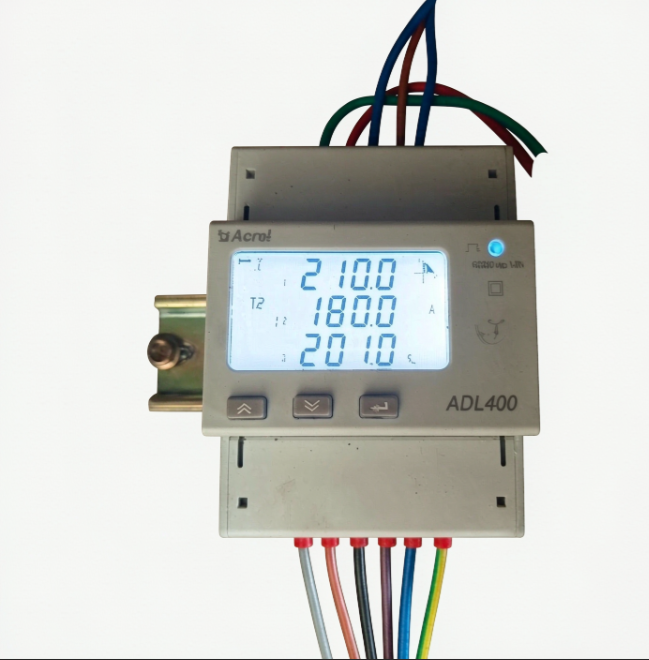
The "commander" of switching logic. Monitors, decides, and dispatches instructions in real time.
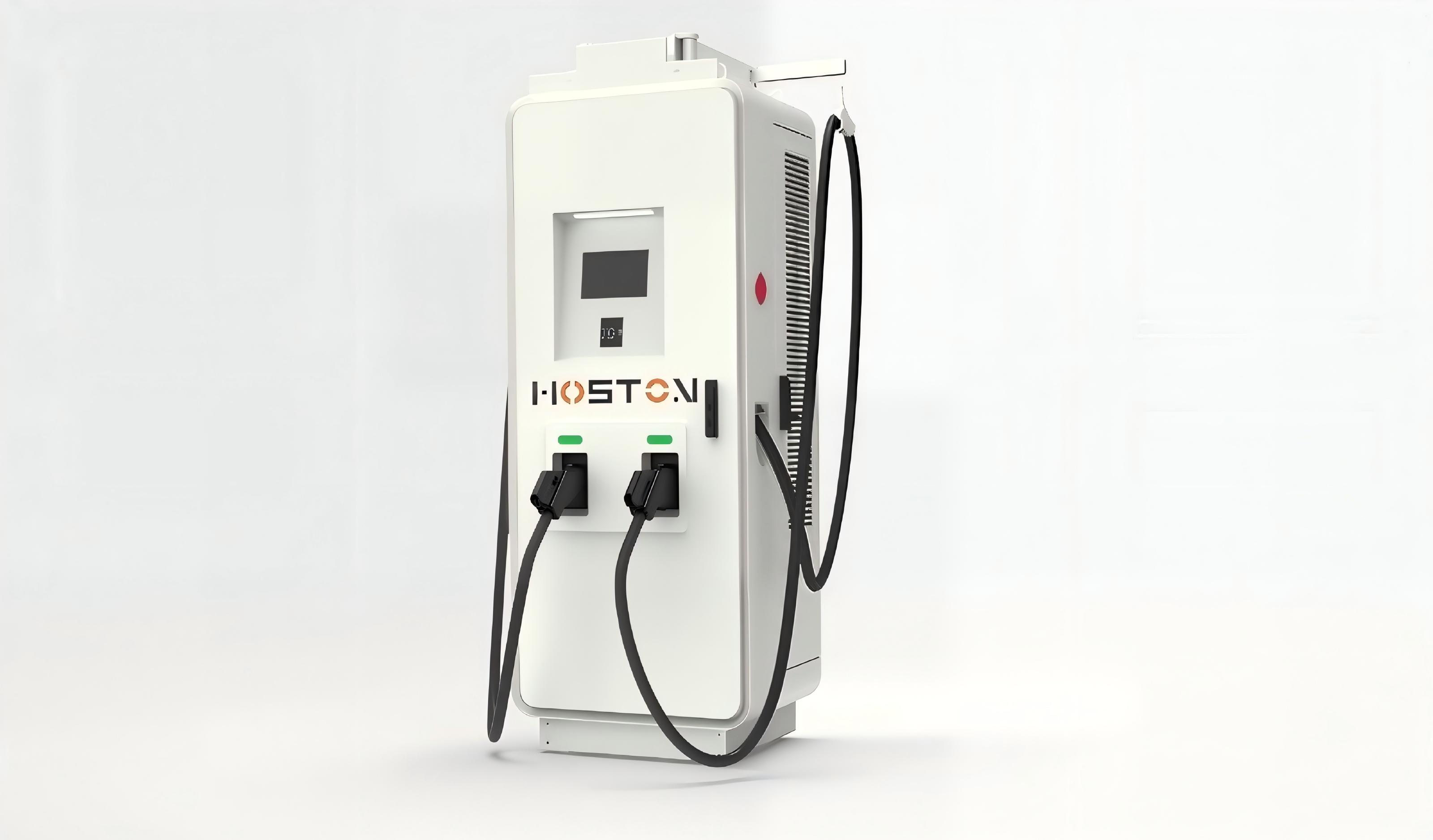
Fast charging meets the daily power replenishment needs of electric vehicles and solves the power anxiety.
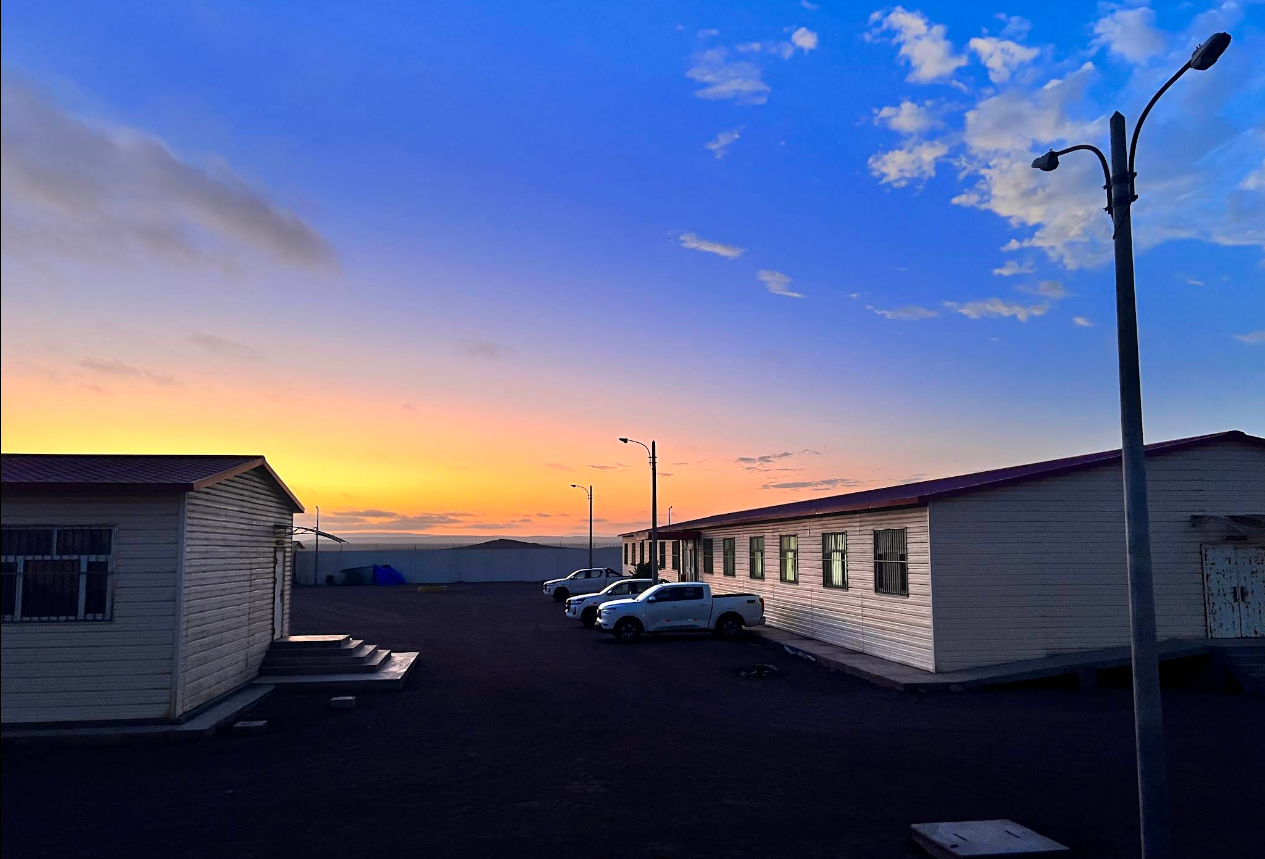
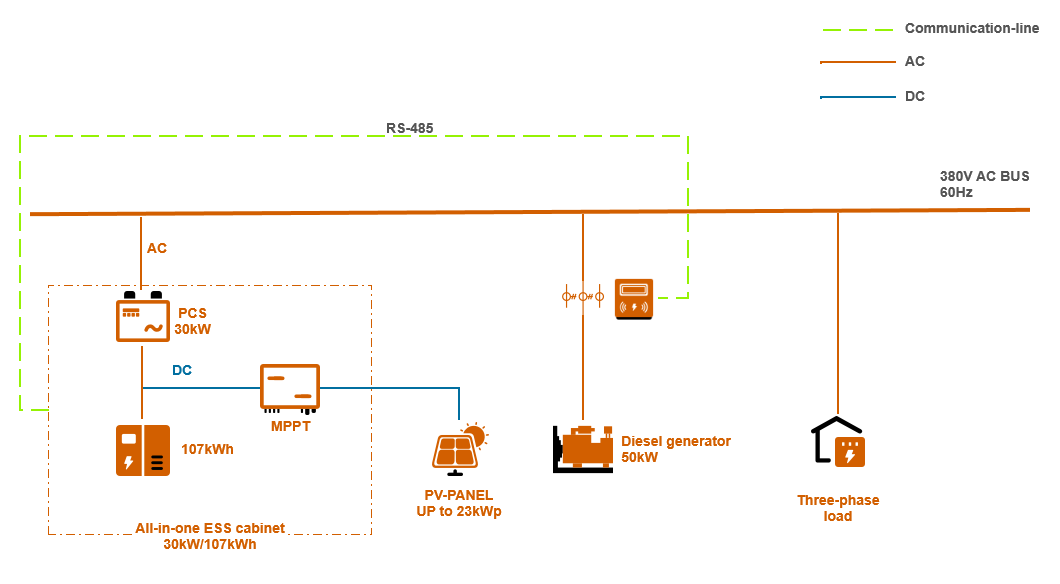
The benchmark case of backup power for a remote mining camp. Diesel ran 17 hours daily before; storage now covers the night shift.
Tell us about your grid capacity, charging goals, or scenario. We will recommend the optimal solar / storage / charging configuration — tailored, no obligation.